Bone Spur Treatment in Tampa, Florida
Minimally Invasive Treatment for Bone Spurs of the Spine
Bone spurs in the spine are more common than most people realize, and more treatable than they're often told. These bony overgrowths, which develop along the edges of the vertebrae in response to stress or degeneration, can narrow the spinal canal or the small openings through which nerve roots exit the spine. When that happens, the result isn't just stiffness. It can be radiating pain, numbness, or weakness that disrupts every aspect of daily life.
At 360 Ortho & Spine in Tampa, Florida, Dr. Stefan Prada is a board-certified orthopedic spine surgeon who treats spinal bone spurs using endoscopic decompression techniques that remove the bony overgrowth causing nerve compression, without metal implants and without the muscle damage of traditional open surgery. With over 11,000 minimally invasive procedures performed, Dr. Prada brings both precision and experience to every bone spur removal he performs.
If bone spurs are causing your back or neck pain, there may be more options available to you than you've been told. Request a consultation at 360 Ortho & Spine today.
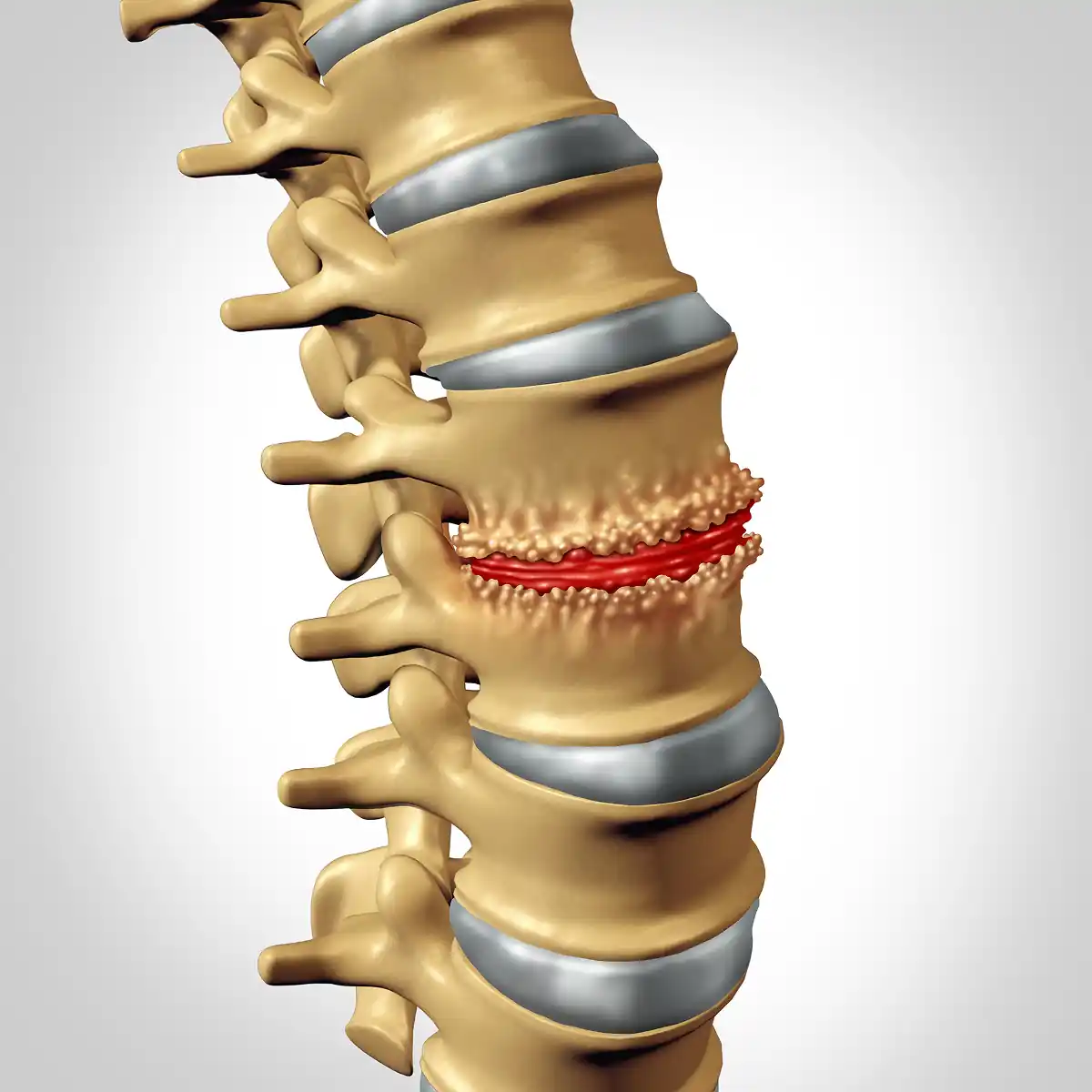
What Causes Bone Spurs and How Are They Treated?
Understanding Spinal Bone Spurs
Bone spurs, medically known as osteophytes, are smooth bony growths that develop along the edges of bones over time. In the spine, they most commonly form along the vertebrae in response to disc degeneration, joint wear, or the spine's attempt to stabilize itself under stress. While some bone spurs cause no symptoms at all, those that develop near the spinal canal or foraminal openings can compress the spinal cord or nerve roots and produce significant pain and neurological symptoms.
What Causes Bone Spurs on the Spine?
The most common cause of spinal bone spurs is degenerative disc disease. As discs lose height and the vertebrae move closer together, the body responds by building extra bone to distribute the load more evenly. Spinal arthritis and foraminal stenosis are also frequently associated with bone spur formation. Bone spurs can develop in the cervical spine of the neck or the lumbar spine of the lower back.
Bone Spur Symptoms
Bone spurs that compress a nerve root can cause localized back or neck pain, radiating pain into the arms or legs, tingling, numbness, and in more advanced cases, muscle weakness. Symptoms often worsen with activity, prolonged standing, or walking and may improve temporarily with rest or positional changes.
Bone Spur Treatment at 360 Ortho & Spine
Dr. Prada treats symptomatic spinal bone spurs using endoscopic decompression procedures that precisely target and remove the bony overgrowth causing nerve compression. No metal implants are required, and the surrounding muscle tissue is preserved throughout the procedure. Treatment options include:
- Endoscopic Laminotomy: Removes the portion of the lamina contributing to spinal canal narrowing caused by bone spur formation
- Endoscopic Foraminotomy: Widens the foraminal opening narrowed by a bone spur to relieve nerve root compression
These procedures fall under the broader category of spinal decompression surgery at 360 Ortho & Spine and are performed through a small incision with a recovery most patients complete in approximately six weeks.
Frequently Asked Questions
What are the symptoms of bone spurs on the spine?
Spinal bone spurs do not always cause symptoms. When they do, it is typically because the bony growth has narrowed the spinal canal or foraminal openings, compressing a nerve root. This can cause localized neck or back pain, radiating pain into the arms or legs, tingling, numbness, and in more severe cases, muscle weakness that affects daily function.
Can bone spurs on the spine be removed without open surgery?
Yes. At 360 Ortho & Spine, Dr. Prada performs bone spur removal using endoscopic techniques through a small incision that avoids significant disruption to surrounding muscle tissue. This approach removes the bony overgrowth causing nerve compression without metal implants or fusion, and most patients return to normal activity in approximately six weeks.
Do all spinal bone spurs need to be treated?
Not necessarily. Bone spurs that are not causing symptoms do not require surgical treatment. However, when a bone spur is compressing a nerve root and causing pain, radiating symptoms, or weakness that has not responded to conservative care, surgical decompression may provide lasting relief. During your consultation, Dr. Prada will review your imaging to determine whether your bone spurs are the source of your symptoms and whether intervention is appropriate.
How do I find a bone spur specialist near me?
Finding a bone spur specialist near you who uses minimally invasive techniques without metal implants takes some research. Scheduling with Dr. Prada at 360 Ortho & Spine in Tampa, Florida, is straightforward: request a consultation online or call our office, and our team will follow up to help you plan your visit. We look forward to helping you get on the path to relief.