Pinched Nerve Treatment in Tampa, Florida
Pinched Nerve: Targeted Relief for Nerve Compression
A pinched nerve in the spine can make life uncomfortable very quickly. The compression or irritation of a spinal nerve root produces a predictable set of symptoms that most patients recognize immediately: pain at the site of compression, radiating pain into the arms or legs, tingling, numbness, and in some cases, weakness that makes everyday tasks difficult. A pinched nerve does not resolve on its own as long as the structural cause of the compression remains. Pain management and physical therapy can help manage the experience, but they do not move the disc material, bone spur, or narrowed canal that is pressing on the nerve.
At 360 Ortho & Spine in Tampa, Florida, Dr. Stefan Prada is a board-certified orthopedic spine surgeon who treats pinched nerve conditions by addressing the specific structural source of the compression using minimally invasive endoscopic techniques. With over 11,000 procedures performed, Dr. Prada takes a direct approach to nerve compression, relieving it without metal implants, without fusion, and with a recovery most patients complete in approximately six weeks.
If you are dealing with a pinched nerve in your back or neck that hasn't responded to conservative treatment, request a consultation at 360 Ortho & Spine today.
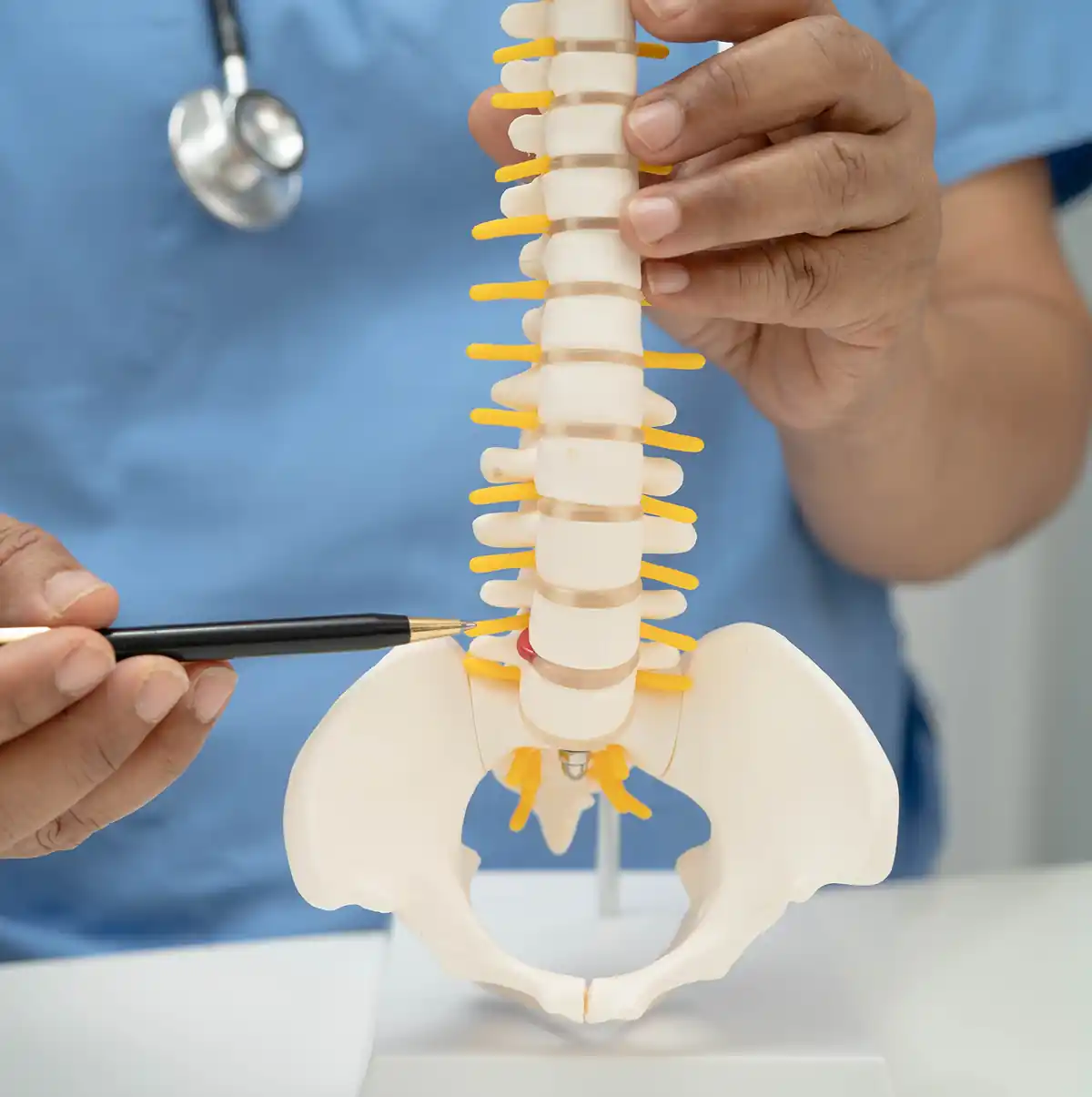
What Causes a Pinched Nerve and How Is It Treated?
Understanding Pinched Nerve in the Back and Neck
A pinched nerve, more precisely called nerve root compression or radiculopathy, occurs when a spinal nerve root is placed under pressure by surrounding tissue, bone, or disc material. The nerve reacts to this pressure by generating pain, altered sensation, or reduced function in the area of the body it serves. In the cervical spine, a pinched nerve produces symptoms in the neck, shoulder, arm, or hand. In the lumbar spine, symptoms appear in the lower back, hip, leg, or foot.
What Causes a Pinched Nerve in the Spine?
The most common structural causes of a pinched nerve include:
- Herniated disc: Disc material displaced into the spinal canal or foraminal canal, pressing directly on a nerve root
- Bone spurs: Bony overgrowths that reduce the space available to nerve roots in the canal or foraminal openings
- Foraminal stenosis: Narrowing of the foraminal canal through which the nerve root exits the spine
- Degenerative disc disease: Disc height loss that shifts the vertebrae and narrows the spaces around the nerve roots
Pinched Nerve Symptoms
A pinched nerve in the back or neck typically produces localized pain at the site of compression, along with radiating pain, tingling, numbness, or weakness that follows the path of the affected nerve. Symptoms often worsen with specific movements, prolonged sitting, or activities that increase pressure on the spine. In more advanced cases, motor weakness can become pronounced.
Pinched Nerve Treatment at 360 Ortho & Spine
When conservative treatments such as physical therapy, anti-inflammatory medication, and steroid injections fail to relieve nerve compression, surgical intervention may be appropriate. Dr. Prada offers:
- Endoscopic Foraminotomy: Widens the foraminal canal to relieve nerve root compression caused by stenosis, a herniated disc, or bone spurs
- Spinal Decompression Surgery: Addresses nerve compression within the spinal canal through endoscopic decompression techniques
Both procedures are performed through a small incision, preserve surrounding muscle tissue, and require no metal implants. Most patients return to normal activity in approximately six weeks.
Frequently Asked Questions
What causes a pinched nerve in the back?
A pinched nerve in the back is caused by pressure on a spinal nerve root from surrounding tissue or bone. The most common causes are a herniated disc that has displaced into the spinal canal or foraminal opening, bone spurs that have narrowed the nerve's exit point, and degenerative disc disease that has reduced the space available to the nerve roots. Each cause requires a different surgical approach to resolve effectively.
How is a pinched nerve in the spine treated?
Treatment for a pinched nerve in the spine begins with conservative measures including physical therapy, anti-inflammatory medication, and in some cases steroid injections. When these approaches fail to provide lasting relief, surgical decompression may be appropriate. At 360 Ortho & Spine, Dr. Prada treats pinched nerve conditions using endoscopic foraminotomy or spinal decompression surgery to remove the structural cause of the compression without metal implants or fusion.
Is minimally invasive surgery effective for a pinched nerve?
Yes. For patients whose pinched nerve is caused by a herniated disc, bone spur, or foraminal stenosis, endoscopic decompression surgery is often highly effective. Dr. Prada performs these procedures through a small incision without disrupting surrounding muscle tissue, producing significantly less postoperative pain and a faster recovery than traditional open surgery, while addressing the structural cause of the nerve compression directly.
How do I find a pinched nerve doctor near me?
Finding a pinched nerve doctor near you who specializes in minimally invasive endoscopic treatment without metal implants takes some searching. Scheduling with Dr. Prada at 360 Ortho & Spine in Tampa, Florida, is simple: request a consultation online or call our office directly, and our team will follow up to help you plan your visit. We look forward to helping you find relief.